Romerike kaffebrenneri
Sheka Forest (Decaf Filter)
Sheka Forest (Decaf Filter)
Kunne ikke laste inn hentetilgjengelighet
Sheka Forest
| Egenskap | Detaljer |
|---|---|
| Land | Etiopia |
| Region | Sheka |
| Prosessering | Sugarcane Decaf (vasket) |
| Brenningsgrad | Lys |
| Tekstur | Leskende og fruktig |
| Høyde | 1680 - 1950 |
| Smaksnoter | Appelsinblomst, nectarine, sort te |
| Kultivar | Heirloom |
| Prosess |
Håndplukket, forhåndssortert, fløtet, pulpet, våtfermentert i 12 timer, |
| Produsent |
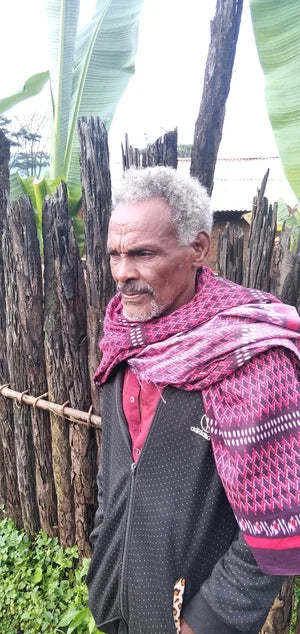
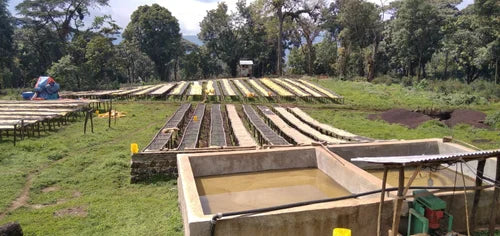
paradise on donkey back“In terms of development, there is not much going on here," says Abiy about Sheka. "Farmers in this region have almost no opportunities for economic development, and the coffee they harvested mostly came from old trees and was cheaply sold. This region is quite different from Limmu Kossa." Located about 370 kilometres from Jimma, in the southeast, Sheka is also one of the richest and most diverse regions we've come across. even protected as a biosphere by the UN. This reserve includes forests, bamboo thickets, wetlands, agricultural land, rural settlements, and towns. It covers a unique biogeographic unit extending from cold and very wet highlands to hot lowland areas. Farmers who work in this area are highly committed to the sustainable use of the forests. Still, they often need more income to avoid logging and unsustainable forest exploitation. To Gidhe, growing coffee seemed like a perfect solution, and so, as with his other projects, he embarked on this adventure. The region's rich soil is the only solace for its inaccessibility - coffee can only be transported out of the farm by slow but reliable donkeys and mules. Added to this, the processing can become compromised because of the constant rain (it rains 9 months a year!). The coffee is staggernly rich in florals and fruits though, and we are so proud to support this ambitious ecological masterpiece of a project. |
Share